Effortless style is often misunderstood. Many assume it means wearing whatever feels comfortable or avoiding intention altogether. In reality, looking natural requires awareness, restraint, and a deep understanding of personal balance. The goal is not to appear underdressed, but to look put together without visible effort.
True effortless style communicates confidence without noise. It suggests familiarity with oneself rather than reliance on trends. The art lies in subtle choices—fit, proportion, texture, and timing—rather than dramatic statements.
This guide explores what effortless style truly means, how to cultivate it, and why it remains one of the most enduring expressions of fashion.
Understanding What Effortless Style Really Means
Effortless style is not accidental. It is the result of repeated refinement and thoughtful editing. People who embody this aesthetic often know exactly what works for them and remove anything that feels forced or excessive.
Rather than chasing novelty, effortless dressers prioritize consistency. Their outfits feel cohesive because they are built on familiarity and confidence. Each choice serves a purpose, even when the result appears simple.
Looking natural is about alignment. When clothing matches lifestyle, personality, and environment, it stops drawing attention to itself and starts supporting the person wearing it.
The Role of Fit in Natural Dressing
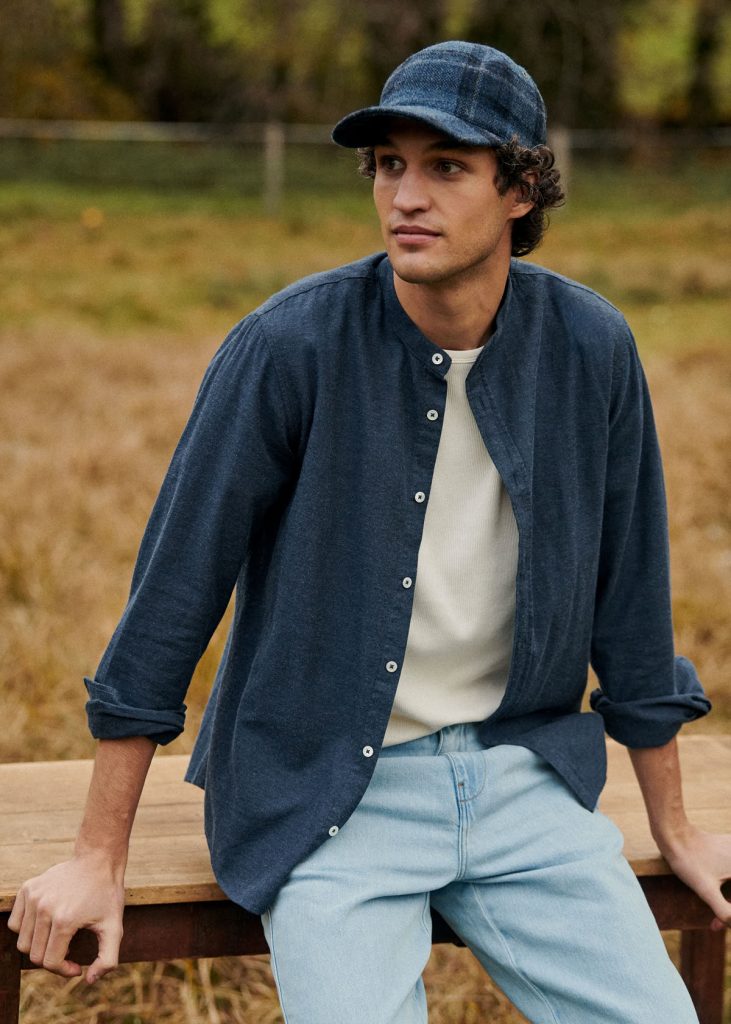
Fit is the foundation of effortless style. No amount of styling can compensate for clothing that pulls, collapses, or overwhelms the body. When garments fit correctly, they move naturally and require minimal adjustment throughout the day.
Effortless outfits often rely on silhouettes that feel intuitive rather than restrictive. Comfort and structure coexist, allowing the wearer to forget about the clothing and focus on living within it.
A well-fitting piece blends into the body’s movement instead of resisting it. This harmony is what creates the impression of ease.
Why Simplicity Requires Discipline
Simplicity is not the absence of choice, but the result of careful selection. Effortless style often appears minimal because unnecessary elements have been removed. Each remaining piece earns its place through versatility and relevance.
This discipline prevents visual clutter and encourages clarity. Clean lines, thoughtful layering, and restrained detailing allow the outfit to breathe. Nothing competes for attention, which is precisely why the look feels calm and confident.
Simplicity does not mean boring. It means intentional.
Building a Natural Color Palette
Color plays a significant role in how natural an outfit feels. Effortless style favors tones that complement each other without creating tension. Neutral shades, soft contrasts, and harmonious combinations help maintain visual balance.
Rather than relying on bold color clashes, natural styling uses variation in depth and warmth. Subtle shifts in shade create interest while preserving cohesion. This approach allows outfits to feel layered and thoughtful without appearing busy.
A consistent palette also makes styling easier over time, reinforcing the idea of effortlessness.
The Importance of Texture Over Decoration
Texture often replaces decoration in effortless outfits. Instead of relying on logos, graphics, or embellishments, natural style emphasizes how fabrics interact with light, movement, and layering.
Soft knits, structured weaves, and breathable materials add dimension without excess. Texture introduces character quietly, allowing the outfit to feel complete without explanation.
This tactile quality contributes to authenticity. The clothing feels lived-in rather than staged.
Layering Without Looking Overstyled
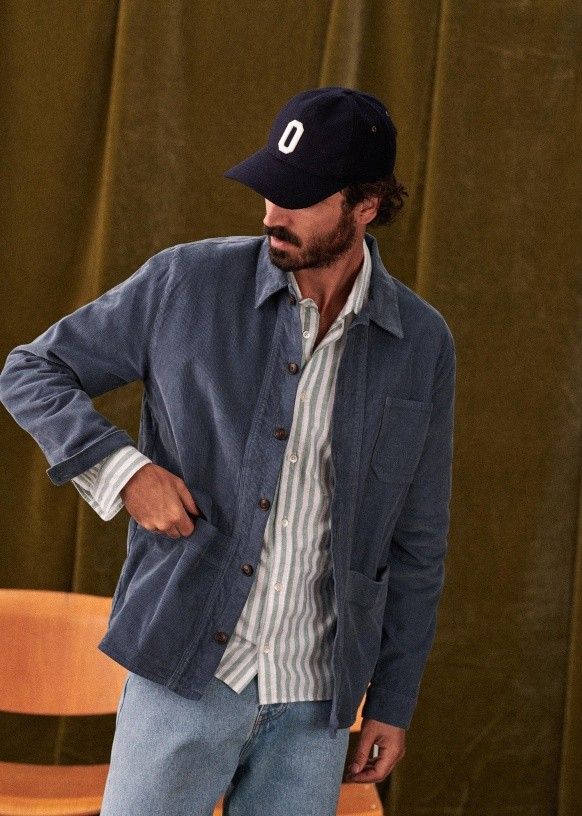
Layering is one of the most effective ways to achieve depth while maintaining simplicity. The key is moderation. Effortless layering relies on intuitive combinations rather than complex construction.
Each layer should feel necessary. Removing one element should not cause the outfit to collapse. This balance ensures flexibility while preserving structure.
Layering works best when proportions are considered carefully. Varying lengths and weights creates movement without confusion, reinforcing a natural flow.
Accessories as Subtle Enhancements
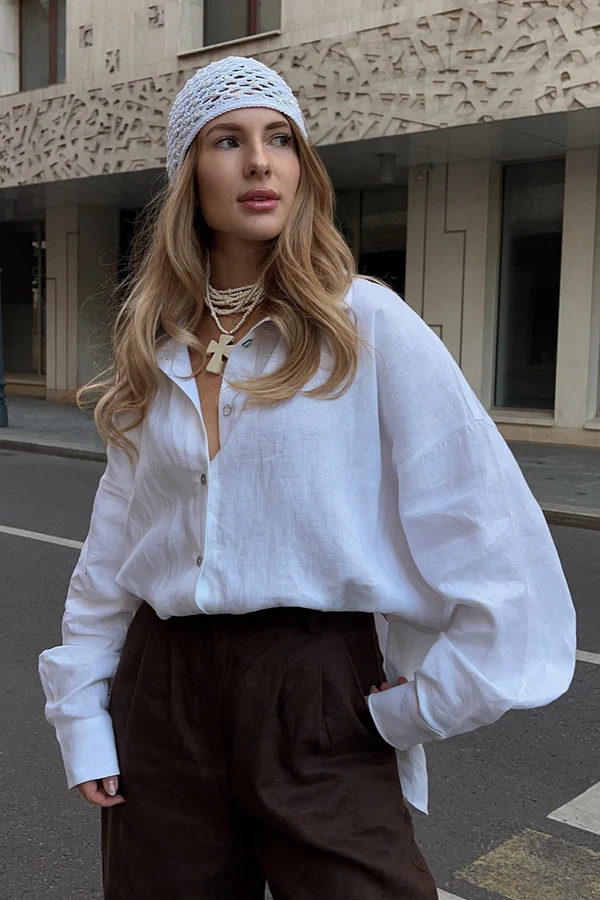
In effortless style, accessories are never the focal point. They exist to support the overall look, not define it. A well-chosen accessory adds polish without demanding attention.
The absence of excess allows small details to matter more. A simple belt, a refined bag, or understated jewelry can elevate an outfit quietly.
When accessories feel interchangeable rather than essential, the look remains adaptable and relaxed.
Dressing for Lifestyle, Not Trends
Effortless style is deeply connected to lifestyle. Clothing that aligns with daily activities feels natural because it serves a real purpose. Trends become secondary when garments support movement, comfort, and context.
This alignment prevents outfits from feeling performative. Instead of dressing for appearance alone, the focus shifts toward function and authenticity.
Fashion becomes an extension of life rather than a separate performance.
Confidence as the Final Element
Confidence completes effortless style. When clothing feels familiar and supportive, it fades into the background, allowing presence to take center stage. This ease cannot be replicated through styling tricks alone.
Confidence grows through repetition. Wearing the same pieces in different ways builds understanding and comfort. Over time, decisions become instinctive rather than calculated.
The most natural looks are worn without self-consciousness.
Why Effortless Style Endures
Effortless style remains relevant because it adapts. It does not depend on seasonal shifts or fleeting trends. Instead, it evolves through refinement, experience, and self-awareness.
This approach encourages sustainability, consistency, and satisfaction. Fewer pieces are needed when each item works harder and lasts longer.
Effortless style is not about having less. It is about needing less.
Conclusion: Mastering the Art of Looking Natural
Effortless style is an art built on intention, not indifference. It requires understanding what to include and what to leave out. Through fit, balance, texture, and confidence, clothing becomes a quiet form of expression rather than a loud statement.
Looking natural does not mean avoiding fashion. It means integrating it so seamlessly that it feels like part of who you are.
In the end, the most powerful style is the one that allows you to forget about your clothes—and simply be present.