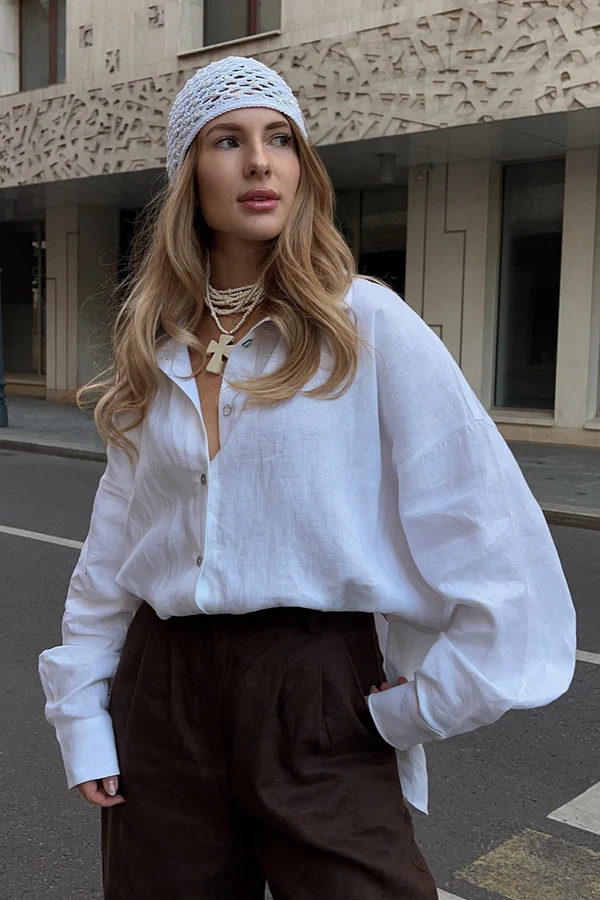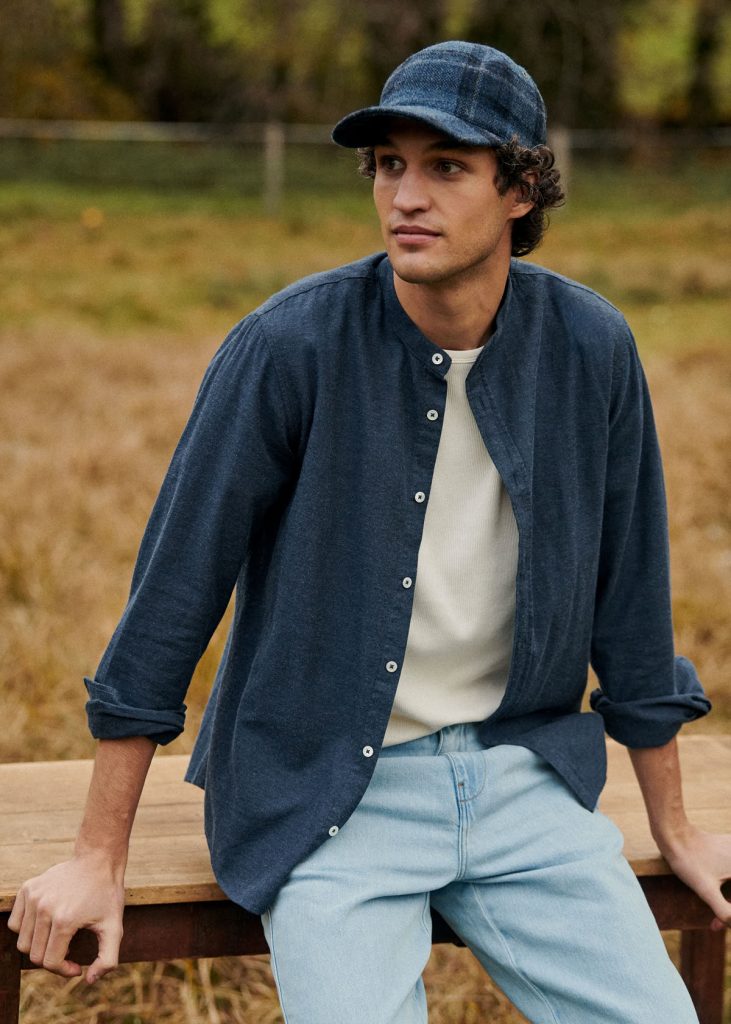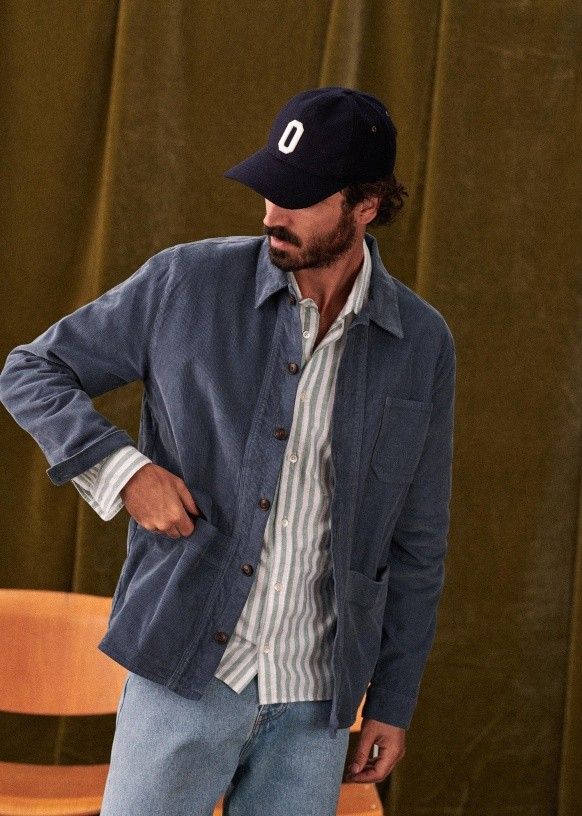
Building a versatile wardrobe does not require endless shopping or constant trend chasing. In fact, some of the most stylish individuals rely on a single well-chosen piece and transform it across multiple outfits. Learning how to style one item in five different ways is not only practical, but also a powerful expression of creativity, confidence, and personal taste.
This approach allows you to maximize what you already own, create visual variety, and develop a stronger sense of identity through clothing. Instead of focusing on quantity, the emphasis shifts toward thoughtful combinations, balance, and intention.
Below is a complete guide to styling one essential item in five distinct directions, each serving a different purpose while maintaining coherence and individuality.
Choosing the Right Foundation Piece
Every successful multi-look outfit strategy begins with the correct base item. The most adaptable garments tend to have clean lines, neutral tones, and a timeless shape. Think of pieces that sit comfortably between casual and refined rather than leaning too heavily toward a single category.
A well-fitted shirt, a classic jacket, or a simple knit top often works best because it integrates easily with different textures, silhouettes, and accessories. Fabric quality matters just as much as design. Materials that drape well and hold structure can shift between relaxed and polished environments without losing their appeal.
When selecting your foundation piece, focus on versatility rather than statement value. A subtle design gives you room to experiment, while an overly bold item may limit styling options.
Styling for Everyday Casual Wear
The first styling direction should address daily life. Casual outfits are not about carelessness, but about ease and comfort combined with visual harmony. Pairing your chosen item with relaxed bottoms, such as denim or soft trousers, immediately sets a laid-back tone.
Footwear plays a significant role in this category. Clean sneakers or minimal flats reinforce approachability while maintaining structure. Layering lightly, perhaps with an open overshirt or a soft cardigan, adds dimension without overwhelming the outfit.
In casual styling, the goal is effortlessness. The outfit should feel natural, functional, and wearable for extended periods, while still reflecting personal style choices.
Creating a Smart Casual Look
Smart casual outfits bridge the gap between informal and professional settings. This is where the same item begins to show its adaptability. Introducing tailored elements, such as structured pants or refined footwear, instantly elevates the appearance.
Color coordination becomes more deliberate at this stage. Muted shades, subtle contrasts, and cohesive palettes help communicate intention. Accessories should remain minimal, focusing on clean shapes rather than bold decoration.
This styling approach works well for environments that require polish without strict formality. It demonstrates awareness, confidence, and adaptability through careful selection rather than excess.
Transforming the Item for Work-Ready Outfits
For work-oriented styling, structure and clarity are essential. The same piece can take on a more professional identity when combined with sharp tailoring, neutral tones, and precise proportions.
Outer layers, such as blazers or refined coats, help frame the item and bring visual authority. Footwear should lean toward classic designs that complement the overall silhouette. Accessories are best kept subtle and purposeful, reinforcing professionalism rather than distracting from it.
This version of styling proves that practicality and aesthetics are not mutually exclusive. A single item can support a work environment while still expressing individuality.
Adapting the Look for Evening Wear
Evening styling invites contrast and depth. Lighting, atmosphere, and occasion allow for bolder choices without sacrificing balance. Darker tones, richer textures, and sharper lines often define this transformation.
Switching footwear to something more refined instantly alters the mood. Layering with a tailored jacket or adding a refined accessory creates visual interest and intentionality. The base item remains recognizable, but its role shifts within the composition.
This transformation highlights how styling is not about changing the garment itself, but about adjusting context, proportion, and detail to suit the moment.
Using Accessories to Redefine the Outfit
Accessories are among the most effective tools for altering perception. A single piece can move between styles simply by changing what surrounds it. Belts, bags, watches, or subtle jewelry each contribute to a different narrative.
Rather than adding multiple accessories at once, focus on one or two elements that reinforce the desired direction. For example, a structured bag creates a refined impression, while a soft fabric accessory introduces warmth and approachability.
Accessories should enhance, not compete with, the main item. When used thoughtfully, they provide flexibility and individuality without overwhelming the outfit.
Playing with Proportions and Silhouettes
Proportion is a critical yet often overlooked aspect of styling. Adjusting how garments relate to each other in size and shape can dramatically change an outfit’s visual impact.
Pairing a streamlined top with relaxed bottoms creates balance, while combining fitted elements with structured layers adds depth. Even subtle adjustments, such as tucking, rolling sleeves, or altering layering order, can redefine the silhouette.
Understanding proportion allows one item to support multiple identities without altering its core design.
Incorporating Color and Texture Variations
Color theory and fabric interaction significantly influence how an outfit is perceived. Neutral bases allow flexibility, while strategic color accents add personality. Texture introduces visual interest, helping outfits feel intentional rather than repetitive.
Combining smooth surfaces with tactile materials creates contrast and richness. Seasonal adaptation also plays a role, as heavier textures suggest warmth while lighter fabrics feel fresh and relaxed.
Thoughtful use of color and texture transforms a single item into a versatile styling tool rather than a fixed statement.
Building Confidence Through Repetition
Wearing the same piece multiple times does not signal a lack of creativity. On the contrary, it reflects confidence and clarity. Repetition allows refinement, helping you understand how clothing interacts with your body, lifestyle, and preferences.
As familiarity grows, styling decisions become more intuitive. You begin to recognize which combinations feel authentic and which feel forced. This awareness leads to a more cohesive personal style over time.
Confidence emerges not from constant novelty, but from understanding and owning your choices.
Conclusion: Mastering Versatility in Fashion
Learning how to style one item in five different ways is less about fashion rules and more about intention. It encourages mindful consumption, creative exploration, and personal expression.
By focusing on fit, proportion, texture, and context, a single garment becomes a foundation rather than a limitation. This approach supports sustainability, simplifies decision-making, and strengthens identity through clothing.
True style is not defined by how much you own, but by how well you use what you already have.